ABOUT-PARIS.COM

about the paris metro

  • Home
  • PARIS HOTELS
  • Paris airports
  • Paris train stations
  • Getting to Paris
  • Getting around Paris
  • neighborhoods
  • Disneyland Paris
  • Attractions
  • Paris blogs

PARIS METRO GUIDE

The Paris Metro is one of the most iconic and efficient subway systems in the world. With over 300 stations and 16 main lines, it is the beating heart of public transport in Paris. Whether you're a first-time visitor or a returning traveler, this guide will walk you through what you need to know about navigating the Paris Metro in 2025.
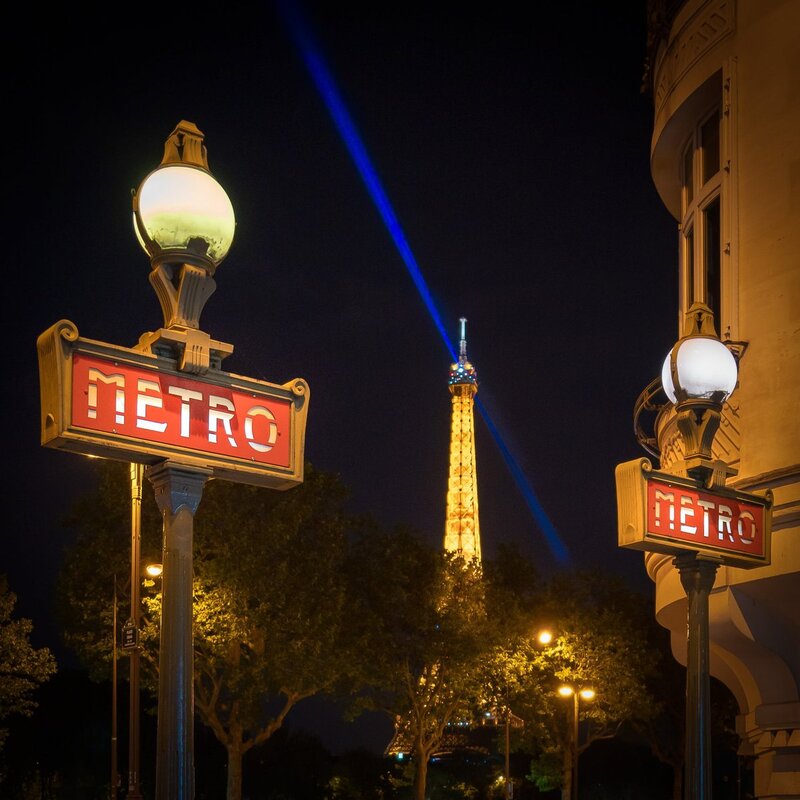
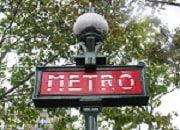
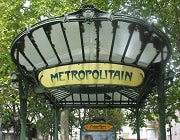
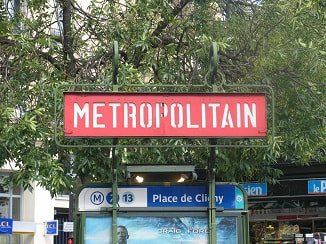
Paris metro sign 'Metropoltain'
1. Understanding the BasicsWhat Is the Paris Métro?
  • The Métro (Métropolitain) is the rapid transit system serving Paris and its suburbs.
  • It’s distinct from the RER (Réseau Express Régional), which serves both the city and far suburbs.
  • There are 16 numbered lines (1–14 + 3bis and 7bis), each with a unique color.
  • Métro stations are located every 500–600 meters, making it one of the densest systems in the world.
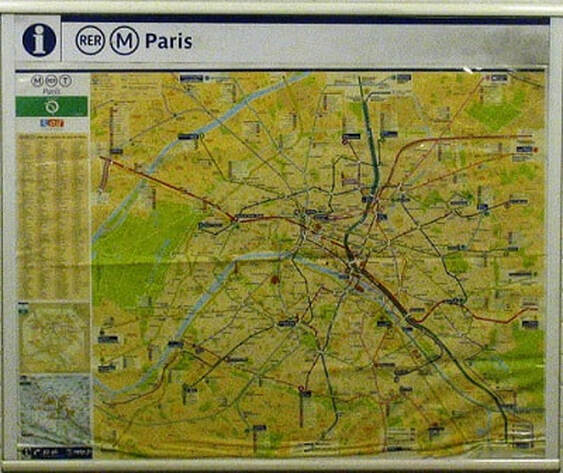
Paris Metro map and direction panels
When you travel on a line it will be numbered and colour coded as the example above - these signs are for line 10. When you arrive in a station on a particular line, in this case line 10, you will be given the option of two directions which are identified by their destination stations, Gare d'Austerlitz & Boulogne in this example, so all you need to do is identify where your destination station lies and choose the corresponding direction.
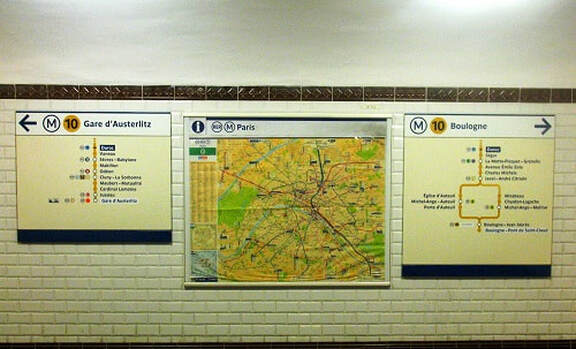
Now find the lines that connect your departure and destination stations on the map. If they are on the same line you will only need to use one train If they are on different lines choose the best route between the two and determine where you will need change/transfer lines to continue your journey. For most journeys within Metropolitan Paris two trains should normally be enough to get you there.
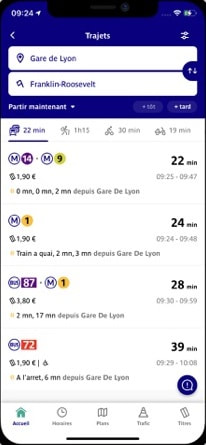
​Or you can simply use the app 
HERE.
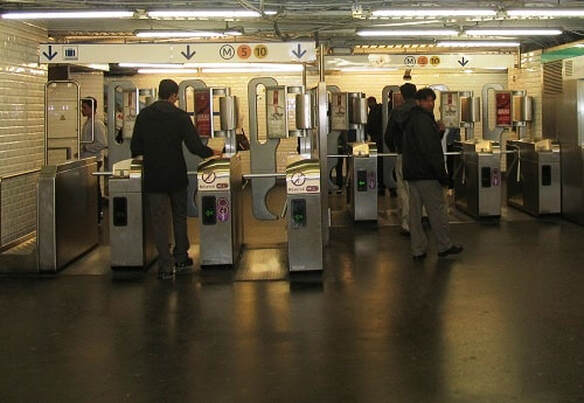
Paris metro entrance
2. Tickets and Payment Options (Updated for 2025)
​
Ticket Options
  • t+ Ticket: Valid for single journeys on Métro, buses, trams, and RER within central Paris zones.
    • Price (2025): Approx. €2.15 (paper ticket) or €1.90 (digital)
    • Transfer: Valid for 90 minutes across buses/trams, but not between bus and Métro.
  • Paris Visite Pass: Ideal for tourists, offering unlimited travel for 1, 2, 3, or 5 days.
    • Includes discounts on museums and attractions.
  • Navigo Easy Card: Reloadable card, replacing paper tickets.
    • Cost: €2 (one-time)
    • Can store t+ tickets, day passes, or bundles (e.g. 10 trips).
  • Navigo Liberté+: Pay-as-you-go option linked to your bank account.
    • Great for short-term stays without up-front cost.
Where to Buy
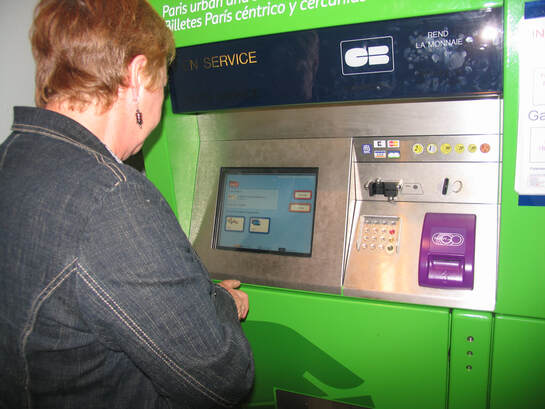
  • Métro station vending machines (multi-language)
  • Ticket counters at major stations
  • Online via the Île-de-France Mobilités app
  • Tobacco shops (look for “Tabac” signs)
Going Contactless (New in 2025)
  • Tap-and-Go with Contactless Bank Cards: Available at all stations and turnstiles.
  • Apple Pay / Google Pay integration for quick entry.
3. Navigating the Network
Line Layout (see map here)
  • Lines 1 and 14 are fully automated (no drivers).
  • Lines 1, 4, 7, and 13 serve many central attractions.
  • Line 4 now fully automated (as of 2024), providing improved frequency.
Connections
  • Stations 'Châtelet–Les Halles', 'Saint-Lazare' and 'Gare de Lyon' are major interchanges.
  • Be aware of long transfer corridors at these stations.
Peak Travel Times to Avoid
  • Weekdays: 8:00–9:30 AM and 5:00–7:00 PM
  • Summer and weekends: less crowded, but tourist routes (Lines 1, 6) can be busy
4. Planning Your TripApps to Use in 2025
  • Bonjour RATP: Official app for real-time Métro, bus, RER, and tram data.
  • Citymapper Paris: Excellent for route planning and travel time estimates.
  • Île-de-France Mobilités: Manage Navigo passes, buy tickets, and check alerts.
Reading the Map
  • Maps are available in every station and inside trains.
  • Color-coded lines and numbered stations make navigation intuitive.
  • Use “Sortie” signs to find exits—some stations have 6 or more.​
5. Accessibility & Safety
​
Accessibility
  • Still a work in progress. Only select stations (mainly Line 14 and some RER stations) are fully accessible.
  • Elevators are noted on the RATP map; check before planning.
  • Strollers and heavy luggage may pose challenges due to stairs.
Safety Tips
  • Paris Métro is generally safe, but:
    • Watch for pickpockets, especially around tourist stops.
    • Keep bags in front and zipped.
    • Avoid empty cars late at night (stick to middle cars).
  • Security presence is visible—officers regularly patrol trains and platforms.
6. Metro Etiquette
  • Stand to the right on escalators.
  • Let passengers exit before entering the train.
  • Give up seats to the elderly, pregnant, or disabled.
  • Lower your voice and avoid loud phone calls/music.
  • Don’t block the doors—doors close automatically and firmly.
7. Special Tips for Tourists
  • Going to the Eiffel Tower? Take Line 6 to Bir-Hakeim or RER C to Champ de Mars.
  • Visiting the Louvre? Line 1 to Palais Royal – Musée du Louvre.
  • Day trip to Versailles? Take RER C, not the Métro.
  • Use "sortie" numbers at large stations to exit closest to your destination.
8. Night and Off-Hour Travel
  • Métro runs from 5:30 AM to ~12:30 AM 
  • On Friday nights, Saturday nights, and the nights before holidays, the metro runs until 2:15 AM.
  • For late-night travel, use Noctilien night bu ses (N lines), which replace the Métro from 12:30 AM to 5:30 AM.
  • Ride-hailing (Uber, Bolt) and shared bikes (Vélib’) are also widely available.
9. Strikes and Service Interruptions
  • Strikes (grèves) are part of French life. Watch for alerts via the RATP app.
  • Avoid major transfer stations during service disruptions.
  • Plan alternative routes or use the bus/tram network when needed.
10. Sustainability and the Future
  • Paris is moving toward a greener transport network:
    • Fully automated lines
    • Hybrid and electric buses
    • Improved bike integration at Métro stops
  • Your Navigo pass or t+ ticket includes bike+bus+train travel in a seamless system.
Final Thoughts
The Paris Métro in 2025 is smarter, faster, and more connected than ever. With digital payments, real-time apps, and automation, navigating the city underground has never been easier. A little planning, awareness, and savoir-faire will go a long way in making your Paris journey smooth and enjoyable.
Picture
Get the app.
​Your guide to public transport in Paris and the Ile de France region:HERE

►See Metro map here
Picture
On our blog 'Mondays are for the metro' where you can check out some of the features of the Paris metro system. 
​
►Châtelet – Les Halles
​
The busiest transport hub in the city
►Saint–Lazare  
​The 2nd busiest transport hub in the city
◄ Getting around Paris

Menu:

HOME
​

DISNEYLAND


HOTELS

AIRPORTS

TRAIN STATIONS

NEIGHBOURHOODS 


ATTRACTIONS

​​BLOG

THINGS TO KNOW BEFORE YOU GO


​

Support

Contact : admin(at)about-paris.com
FAQ
Privacy policy
Cookie policy
  ​
© COPYRIGHT 2015- 2023
ALL RIGHTS RESERVED.

​

  • Home
  • PARIS HOTELS
  • Paris airports
  • Paris train stations
  • Getting to Paris
  • Getting around Paris
  • neighborhoods
  • Disneyland Paris
  • Attractions
  • Paris blogs