ABOUT-PARIS.COM

 PARIS NEIGHBORHOOD GUIDE
 arrondissements

  • Home
  • HOTELS
  • AIRPORTS
  • Paris Districts
  • Getting here
  • Getting around
  • Disneyland Paris
  • Attractions
  • Blog

Paris Districts Explained

A guide to understanding the 20 arrondissements of Paris​​
For first-time visitors, the districts of Paris can seem confusing at first. Streets, monuments and neighbourhoods are usually described by arrondissement numbers rather than compass directions, yet once understood, the system becomes one of the easiest ways to navigate the city.
Paris is divided into 20 arrondissements, arranged in a clockwise spiral beginning in the historic centre near the Louvre and Île de la Cité. Parisians often simply refer to neighbourhoods by their number:
the 5th, the 11th, the 18th, and so on.
Each arrondissement has its own atmosphere, history and character. Some are grand and monumental, others village-like and residential. Some attract visitors for museums and famous landmarks, while others are better known for cafés, markets, nightlife or everyday Paris life.
Understanding the districts helps visitors experience Paris not simply as a collection of monuments but as a living city of very different neighbourhoods.
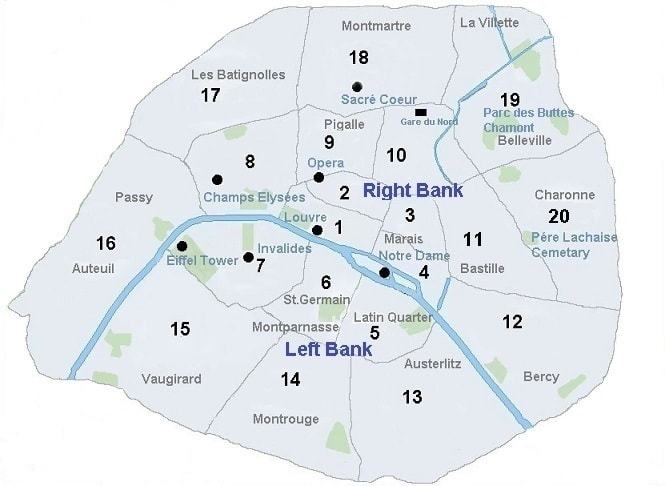
Paris arrondissement map

How the Paris Arrondissements Work

The numbering system begins in the centre of Paris with the 1st arrondissement and spirals outward clockwise in the shape of a snail shell, known in French as l’escargot de Paris.
The Seine divides the city into:
  • the Right Bank (Rive Droite) north of the river,
  • and the Left Bank (Rive Gauche) to the south.
The lower-numbered arrondissements are generally older and more central, while the outer districts are larger, more residential and often less visited by tourists.
Addresses in Paris include the arrondissement number in the postal code:
  • 75005 = 5th arrondissement
  • 75018 = 18th arrondissement
Once you understand this, moving around the city becomes much easier.
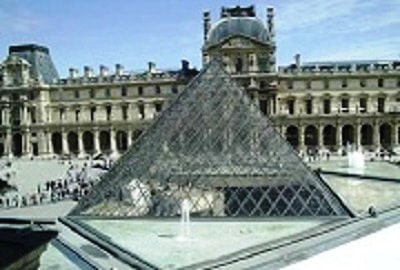
Paris 1st arrondissement Louvre, Sainte-Chapelle, Les Halles
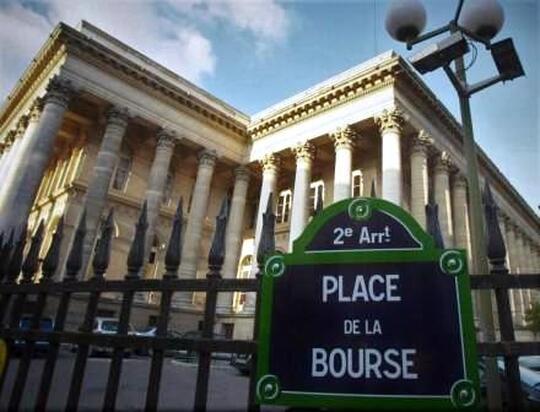
Paris 2nd arrondissement Covered passageways, Sentier, Bourse
Paris 3rd arrondissement Picasso Museum,Musée Carnavalet, Upper Marais,
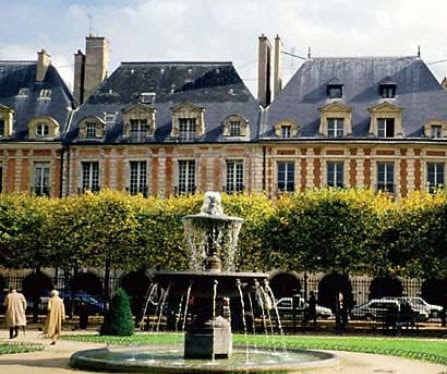
Paris 4th arrondissement ÃŽle Saint-Louis, Pompidou Center, Place des Vosges,
Paris 5th arrondissement Latin Quarter, Cluny Museum, Panthéon
Paris 6th arrondissement Luxembourg Garden, Saint Germain des Prés
Paris 7th arrondissement Eiffel Tower, Orsay Museum
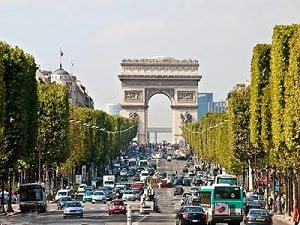
Paris 8th arrondissement Arc de Triomphe, Champs-Élysées,
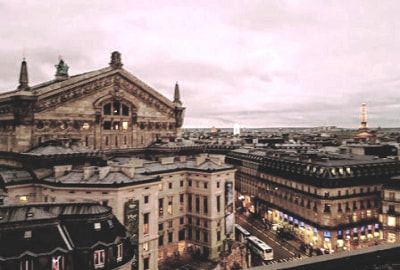
Paris 9th arrondissement Opera Garnier,Galeries Lafayette,
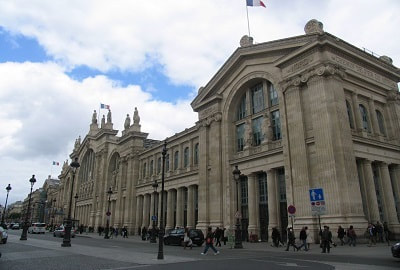
Paris 10th arrondissement Canal Saint-Martin, Gare de Nord
Paris 11th arrondissement Atelier des Lumières, Oberkampf district.
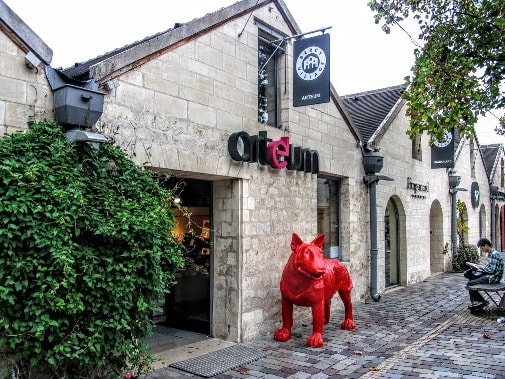
Paris 12th arrondissement Bercy Village, Proménade Plantée
Paris 13th arrondissement Chinatown, Butte aux Cailles
Paris 14th arrondissement Catacombes, Parc Montsouris.
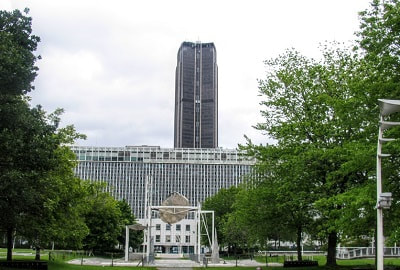
Paris 15th arrondissement Parc André Citroën Montparnasse Tower.
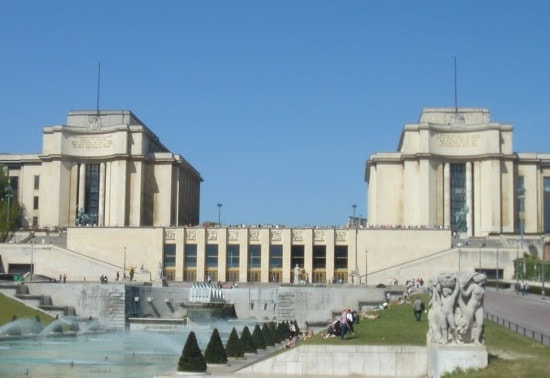
Paris 16th arrondissement Trocadero, Palais de Tokyo.
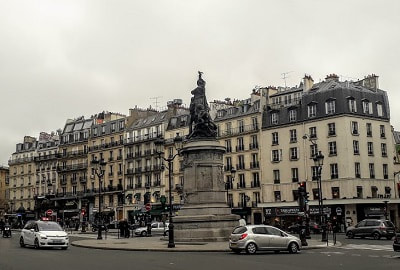
Paris 17th arrondissement Martin Luther King Park,Place de Clichy.
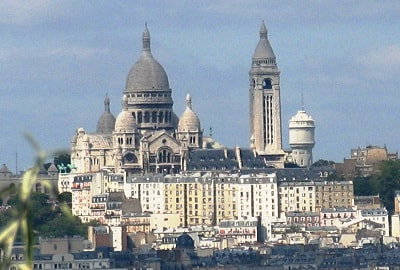
Paris 18th arrondissement Montmartre, Sacré Coeur, Moulin Rouge.
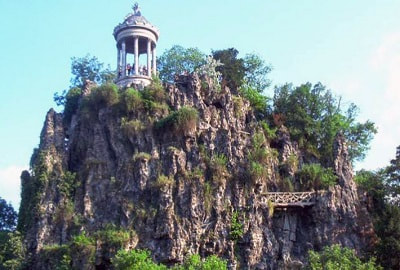
Paris 19th arrondissement Buttes Chaumont,Parc de la Villette.
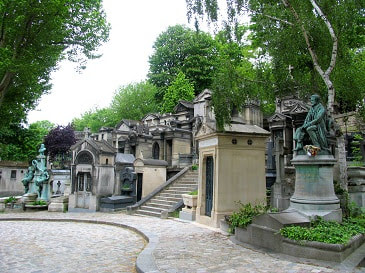
Paris 20th arrondissement Père Lachaise Cemetery,Belleville.
The famous 'Quarters' of Paris

Which Paris District Is Best For You?

Best for First-Time Visitors

The 5th, 9th, 10th and 11th arrondissements combine neighbourhood life, cafés, restaurants and local character particularly well.

Best for Classic Paris Architecture

The 7th,  8th  and  16th  arrondissements are known for broad boulevards, elegant buildings and quieter residential streets. 

Best for Nightlife and Food

The 10th and 11th arrondissements have become centres of contemporary Paris food culture, bars and younger nightlife.

Best for Nightlife and Food

Montmartre in the 18th arrondissement and parts of the 20th still retain a more village-like feeling within the capital.

The Paris Arrondissements

1st arrondissement

Historic Paris and royal power
The 1st arrondissement sits at the historic heart of Paris. Home to the Louvre, the Palais Royal and part of the Tuileries Garden, it combines royal history, monumental architecture and some of the city’s oldest streets.
Although heavily visited, quieter corners still survive around Place Dauphine and the covered arcades near Palais Royal.

2nd arrondissement

Passages, business streets and hidden Paris
The 2nd is one of the smallest arrondissements but contains some of Paris’s most fascinating covered passages, including Galerie Vivienne and Passage des Panoramas.
Traditionally associated with commerce and finance, the district today mixes historic shopping arcades with cafés, restaurants and smaller neighbourhood streets.
The northern Marais
The 3rd arrondissement forms part of the Marais, where aristocratic mansions, museums and narrow medieval streets create one of the city’s most distinctive atmospheres.
It feels quieter and slightly less crowded than the southern Marais, with excellent museums, independent shops and hidden courtyards.

4th arrondissement

Historic centre and the Seine
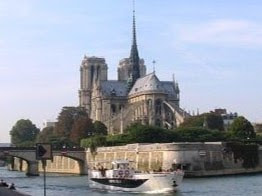
The 4th arrondissement includes parts of the Marais, Hôtel de Ville and the eastern side of Île de la Cité, including Notre-Dame Cathedral.
This is one of the oldest parts of Paris, where medieval streets, riverside walks and historic squares combine with lively cafés and neighbourhood life.

5th arrondissement

The Latin Quarter
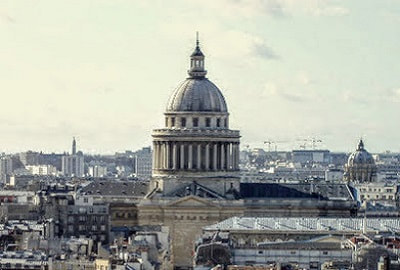
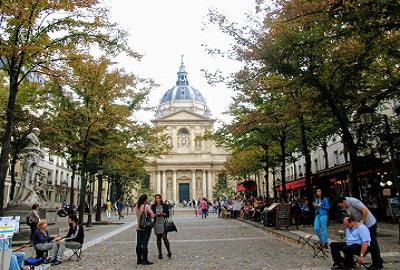
The 5th is one of the great intellectual districts of Paris, centred around the Sorbonne, the Panthéon and the historic Latin Quarter.
Students, bookshops, markets and cafés give the arrondissement much of its energy, while streets like Rue Mouffetard still preserve something of old Paris beneath the tourism.

6th arrondissement

Saint-Germain-des-Prés and the Luxembourg Gardens
Elegant but lively, the 6th arrondissement is closely associated with writers, artists and café culture.
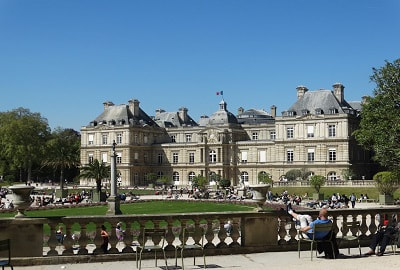
The Luxembourg Gardens remain one of the great public spaces of Paris, while Saint-Germain-des-Prés combines galleries, bookshops and historic cafés with some of the city’s most desirable streets.

7th arrondissement

Monuments and grand Paris
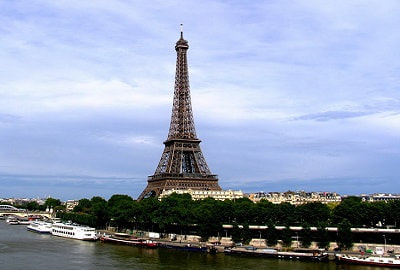
The 7th arrondissement is home to many of Paris’s best-known landmarks, including the Eiffel Tower, Les Invalides and the Musée d’Orsay.
Despite the international fame of its monuments, much of the district remains calm and residential, particularly away from the immediate tourist areas.

8th arrondissement

The 8th is the arrondissement of grand boulevards, luxury shopping and ceremonial Paris. The Champs-Élysées, Place de la Concorde and Parc Monceau all lie within its boundaries.
It represents much of the Paris transformed during the 19th century under Baron Haussmann.

9th arrondissement

Theatre district and lively boulevards
The 9th arrondissement combines department stores, theatres, cafés and energetic neighbourhood streets.
Around Pigalle and South Pigalle, the district has evolved into one of the city’s liveliest areas for restaurants and nightlife while still retaining traces of old artistic Montmartre.

10th arrondissement

​Canals and contemporary Paris
Centred around Canal Saint-Martin and two major railway stations, the 10th arrondissement has become one of the most dynamic areas of modern Paris.
It blends multicultural neighbourhoods, café culture and waterside life with a more local atmosphere than many central districts.

11th arrondissement

Food, terraces and nightlife
The 11th arrondissement is known for its terraces, bars, independent restaurants and younger atmosphere.
Although less monumental than central Paris, it has become one of the city’s most important districts for contemporary Paris life and food culture.

12th arrondissement

Green spaces and quieter Paris
The 12th includes the Bois de Vincennes, the Coulée Verte and the redeveloped Bercy district.
Largely residential, it offers a calmer side of Paris with markets, parks and long tree-lined avenues.

13th arrondissement

Modern Paris and Asian Paris
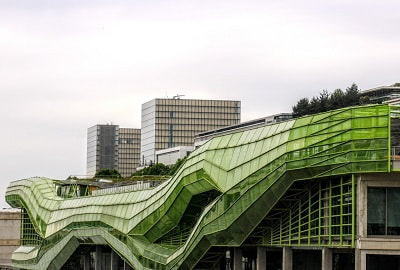
The 13th arrondissement is known for its modern skyline around Bibliothèque Nationale and for Paris’s principal Chinatown.
Street art, contemporary architecture and multicultural food scenes give the district a very different atmosphere from the historic centre.

14th arrondissement

Montparnasse and residential Left Bank
The 14th arrondissement mixes residential streets with the artistic history of Montparnasse.
Although quieter than Saint-Germain today, traces of the area’s literary and artistic past remain visible in cafés, cemeteries and side streets.

15th arrondissement

Residential Paris
The largest arrondissement in Paris, the 15th is primarily residential and often overlooked by visitors.
Yet it offers markets, local cafés and glimpses of everyday Paris beyond the more touristic districts.

16th arrondissement

Elegant western Paris
The 16th arrondissement is known for broad avenues, embassies and refined residential architecture.
It includes the Trocadéro, Bois de Boulogne and several excellent museums, while remaining noticeably quieter than central tourist areas.

17th arrondissement

Neighbourhood Paris and Parc Monceau
The 17th combines elegant western streets near Parc Monceau with more residential neighbourhoods further north.
It often feels more local and less visited than neighbouring arrondissements despite its proximity to the centre.

18th arrondissement

Montmartre and the northern hill
The 18th arrondissement contains Montmartre, one of the most recognisable districts in Paris.
Beyond Sacré-Cœur and Place du Tertre, the arrondissement remains a mixture of village streets, immigrant communities, artistic history and sharply contrasting neighbourhoods.

19th arrondissement

Parks, canals and modern Paris life
The 19th arrondissement includes Parc des Buttes-Chaumont and the Canal de l’Ourcq, both increasingly popular with younger Parisians.
The district feels more contemporary, local and less polished than central Paris, but that is also much of its appeal.

20th arrondissement

Belleville and village Paris
The 20th arrondissement combines Belleville, Père-Lachaise Cemetery and some of the city’s steepest streets and strongest neighbourhood identities.
Creative, multicultural and less touristic, it offers another perspective on Paris far removed from the grand boulevards of the centre.
Many visitors arrive in Paris focused mainly on famous landmarks, but much of the city’s character lies within its individual neighbourhoods:markets opening in the morning, cafés filling in the evening, terraces beneath chestnut trees and residential streets only a few minutes away from major monuments.

Explore More Paris Neighbourhoods

Paris is rich in history, and it boasts several historic neighbourhoods, each with its own unique character and charm. Here are some of the names of the historic neighbourhoods in Paris:
  1. Le Marais: Known for its well-preserved medieval and Renaissance architecture, Le Marais is a historic district with narrow streets, elegant mansions, and a vibrant cultural scene.
  2. Latin Quarter (Quartier Latin): Home to the Sorbonne University, the Latin Quarter has a long history as an intellectual and academic hub. It features narrow streets, bookstores, and lively cafes.
  3. Saint-Germain-des-Prés: A bohemian and intellectual neighborhood on the left bank of the Seine, Saint-Germain-des-Prés has been a gathering place for writers, artists, and philosophers. It is known for its literary cafes and historic churches.
  4. Montmartre: Perched on a hill overlooking Paris, Montmartre has a rich artistic history. It was a gathering place for painters like Picasso and Toulouse-Lautrec. The district features the iconic Basilique du Sacré-Cœur and a lively artistic atmosphere.
  5. Île de la Cité: The historical heart of Paris, Île de la Cité is an island on the Seine River. It houses Notre-Dame Cathedral, the Conciergerie, and the Sainte-Chapelle, among other historic landmarks.
  6. Saint-Louis Island (Île Saint-Louis): Connected to Île de la Cité, Île Saint-Louis is known for its charming 17th-century architecture, narrow streets, and elegant townhouses. It offers a peaceful and picturesque environment.
  7. Les Halles: Once the central market of Paris, Les Halles has undergone significant transformations over the years. It is now a modern district with shopping centers, contemporary architecture, and cultural spaces.
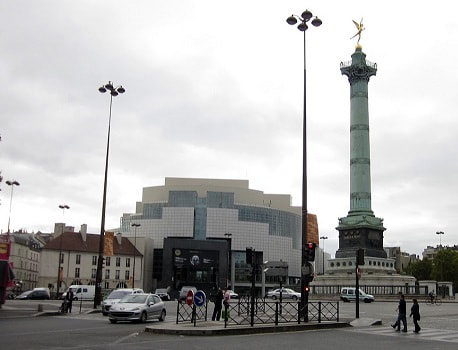
  8. Bastille: Historically associated with the storming of the Bastille prison during the French Revolution, the Bastille district is now known for its vibrant nightlife, cafes, and the Place de la Bastille.
  9. Canal Saint-Martin: This neighborhood is centered around the Canal Saint-Martin and is known for its trendy boutiques, cafes, and picturesque canal-side views. It has become a popular destination for locals and visitors alike.
  10. Gobelins: Located in the 13th arrondissement, Gobelins is known for its historic tapestry factories and the Manufacture des Gobelins, a royal factory dating back to the 17th century.
  11. Passy: Nestled in the 16th arrondissement, Passy is a residential neighborhood with elegant Haussmannian buildings, green spaces, and views of the Eiffel Tower.
These are just a few examples, and each of Paris's neighborhoods has its own unique history and atmosphere. Exploring these historic districts allows visitors to immerse themselves in the rich cultural tapestry of the city.
Check out some great insights and tips about the 20 arrondissements from a local below...
Picture
Paris hotels by district
Latin Quarter/Pantheon
Saint-Germain
Montmarte
Pigalle

Belleville
​Montparnasse
Bastille/ Republique

Porte Maillot/Palais de Congress
  • Things to Do in Paris
  • Paris Metro Guide
  • ​Districts of Paris
  • Best Metro Stops in Paris (future page)
  • Parks in Paris (future page)

Contact Us

    Subscribe Today!

Submit
  • Home
  • HOTELS
  • AIRPORTS
  • Paris Districts
  • Getting here
  • Getting around
  • Disneyland Paris
  • Attractions
  • Blog